Wye and basket strainers are important components of piping systems that are designed to remove solid particles from fluid flows. These strainers are essential in preventing damage to downstream equipment and maintaining the efficiency of the system. In this blog post, we will take a closer look at wye and basket strainers and how they work.
A wye strainer is named after its Y-shaped configuration, which allows it to remove debris from the fluid flow. The fluid enters the strainer through an inlet on one end of the Y and passes through a perforated screen that traps any solid particles. The cleaned fluid then exits through an outlet on the other end of the Y.

Wye strainers are commonly used in low to medium flow applications where the fluid is not highly viscous. They are designed to remove particles that are larger than the perforations in the screen. Wye strainers are often installed in pump suction lines, where they protect the pump from damage caused by foreign objects.
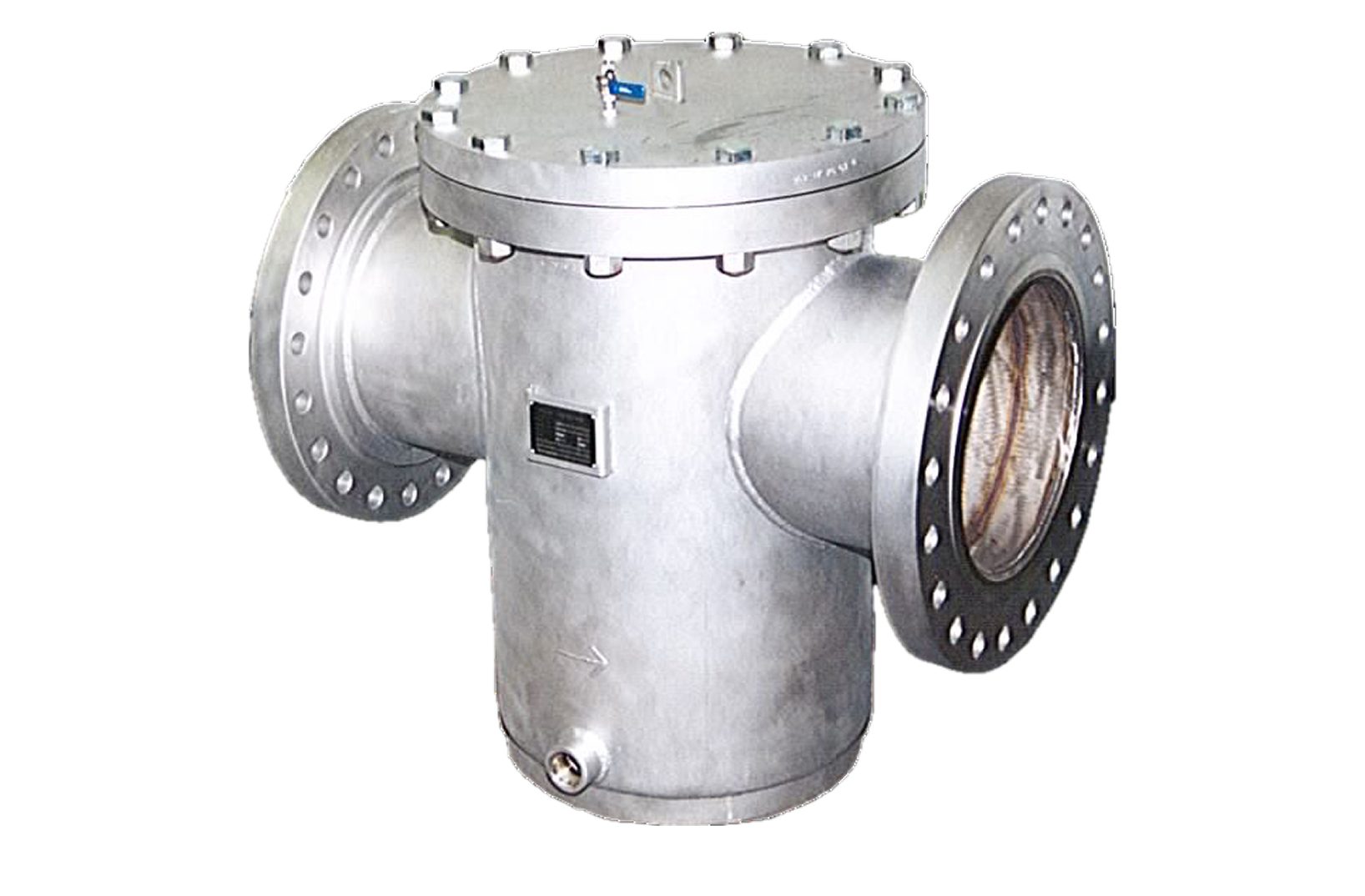
Basket strainers, also known as pot strainers, use a perforated basket (or mesh lined) to remove solid particles from the fluid flow. The basket is typically cylindrical in shape and is housed within a strainer body. The fluid enters the strainer through an inlet and passes through the perforations in the basket. The cleaned fluid then exits through an outlet.
Basket strainers are available in cast or fabricated models. Common castings are iron, steel, stainless steel and bronze. Common fabricated strainers are welded carbon steel or stainless steel.

Basket strainers are commonly used in high flow applications where the fluid is more viscous. They are designed to remove particles that are larger than the perforations in the basket. Basket strainers are often installed in cooling tower water systems, where they prevent debris from clogging heat exchangers.
The selection of the appropriate screen is critical to the performance of a strainer. Screens are available in a range of materials, including stainless steel, Monel, and Hastelloy. Stainless steel is the most common material used in screens because of its durability and resistance to corrosion.
The mesh size of the screen is another important consideration. The mesh size determines the size of the particles that the screen will remove. A smaller mesh size will remove smaller particles, but may increase pressure drop and reduce flow. A larger mesh size will allow for greater flow, but may not remove smaller particles.
In conclusion, wye and basket strainers are essential components of piping systems that remove solid particles from fluid flows. The selection of the appropriate strainer and screen is critical to ensure the efficient operation of the system.